

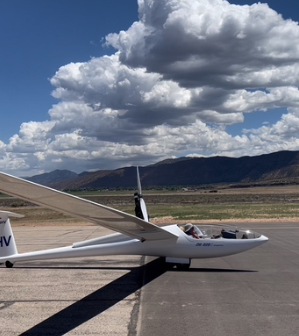
 The Auxiliary Powered Sailplane Association (ASA) organized its first webinar, on 7 Jan 2026, focused on self-launching motor gliders, featuring presentations from four manufacturers including Yonkers, HPH, Schleicher, and Schempp-Hirth. The meeting covered technical discussions about battery charging capabilities, specifications, and production timelines for various glider models, with manufacturers providing details about their aircraft's safety features and delivery schedules. The webinar concluded with announcements about upcoming events, including future webinars featuring representatives from different motor glider manufacturers and discussions about airports used by motor gliders.
There were 209 meeting registrants with 79 attendees.
Participants were encouraged to join the ASA and engage in the motor glider community.
You can find the presentation here 
Summary
Self-launching Sailplane Manufacturers' Webinar
The first webinar organized by the Auxiliary Powered Sailplane Association (ASA) focused on self-launching motor gliders. Tom Seim, the president of ASA, introduced the event and highlighted the organization's efforts to expand beyond the Parowan meet. Dan Malone hosted the webinar, which featured presentations from four manufacturers: Yonkers, HPH, Schleicher, and Schempp-Hirth. Leo from Yonkers discussed their JS series of self-launching sailplanes, including the electric and internal combustion options, as well as the technical advancements in their propulsion systems. Sean from HPH presented on their Shark RES and Twin Shark models, emphasizing the Shark RES's electric self-launch capabilities and its components. The webinar concluded with a brief overview of the HPH Twin Shark and a glimpse at the upcoming Twin Shark RES.
Glider Battery Charging Specifications
The meeting focused on discussing battery charging capabilities and specifications for various glider models. Leo explained that RES high-voltage batteries can be charged using standard 110VAC outlets in the USA or 220VAC outlets in Europe, with charging times of 3-5 hours at 1,000 watts or 5-6 hours at 500 watts. Garrett presented on Schempp-Hirth gliders, highlighting their Ventus 3M and Ventus 3M Neo models, which use a redundant system and color display, and the Ventus 3 ES electric model with 53 horsepower and a range of 31 nautical miles with one battery. The group discussed delivery times for gliders, with Sean noting approximately one year for HPH, while Leo and Garrett indicated shorter times for their companies.
Aircraft Production and Safety Updates
The meeting focused on the lead time and production timeline for aircraft, with Leo explaining that it typically takes 9-11 months to build an aircraft, followed by shipping and import processes, resulting in a total time of 12-18 months for most models. Leo also detailed the RES battery's safety features, including its high-temperature case and proprietary encapsulation that prevents cell-to-cell ignition. The group discussed fire warning systems for both electric and gas-powered aircraft, with Leo explaining that electric gliders have a DCU monitoring battery temperatures and a supplemental fire warning system. The conversation ended with Dan announcing upcoming webinars, including one on March 3rd featuring representatives from DG, Pippistral, and STEMME, and another in April focused on airports used by motor gliders.